The Divine Farmstead Doctor’s Feisty Blessed Wife - Reviews

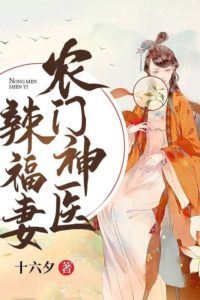
The Divine Farmstead Doctor’s Feisty Blessed Wife
+Add to Custom List
Sort
Add review
... Read More
"If they merge, it proves she isn't pure? So it turns out, Taohua, you…" The blood test scene is doing so much more work than I initially gave it credit for. Let me unpack this. The black medicinal bead that forms in the water—it's a symbol of the entire system of control these women are under. A test that claims to reveal truth but is actually just chemistry manipulated by whoever holds the vial. Midwife Zhou is the gatekeeper of female virtue in this village, and she's weaponized by the Wang family. The fact that the blood and medicine MERGED regardless of who provided the blood? That's the point. The test was never about truth. It was about power. And Bai Banxia understood this immediately. "Ha, isn't this just like the blood-dripping paternity test? Total nonsense!" She sees through the symbolism of the ritual itself. But she doesn't just see through it—she weaponizes the symbolism against them. By forcing Taohua's blood into the same bowl, she turns their own tool of oppression into evidence of THEIR guilt. The water motif is interesting too. Banxia was pushed into the river. Water was supposed to be her grave. And now, water is the medium through which she proves her innocence. The element that was meant to destroy her becomes the element that clears her name. That's not accidental symbolism—that's craft. Reputation as currency. "If word gets out, it will shame our village and affect the marriage prospects of the other unwed girls." The Village Chief's concern isn't about justice—it's about the village's economic value. Marriage prospects = dowries = social stability. Banxia's body is a commodity in this economy, and she's refusing to be traded. The Old Master choking on fish bone while the family argues over who gets to eat—it's almost too on-the-nose, but it works. The patriarch is literally suffocating while everyone else is focused on survival and status. And when Banxia tries to save him, the Old Lady calls her a jinx. The woman who upholds tradition is the one blocking compassion. This story is about who gets to define purity, who gets to speak, and who gets to survive. And Bai Banxia is rewriting the script.
... Read More
Okay so this opening hit different. A medical researcher gets pushed into a river by village bullies and wakes up in another body—classic isekai setup but with actual bite to it. The plot moves fast, which I appreciate. Chapter 1 establishes the bullying, the transmigration, and the system activation all in one sitting. No dragging around. What really stood out to me was how the plot uses the system as both a tool and a ticking clock. The system can only do basic checks right now because her level is too low—that's a smart way to create future tension. She's not OP immediately, which keeps things interesting. The widower marriage subplot is already brewing. Her father threatening to hang himself is such a chaotic family dynamic, and the matchmaker showing up with rumors about pregnancy? That's a double threat—social ruin AND forced marriage. The plot is layering conflicts like an onion, and I'm here for it. One thing I'm curious about: the system was something she was developing in her original world. That connection between her past life and current situation feels intentional, not random. I'm guessing there's more to that link than we've seen yet.
... Read More
The dialogue in this is genuinely fun. Wang Taohua's insults are creative—"white fatty," spreading rumors about pregnancy, accusing her of nighttime trysts. The dialogue reveals character: Wang Taohua is petty, imaginative with her cruelty, and clearly obsessed with Yu Xiulin. But the family dialogue is where it really shines. Bai Tian's wailing is almost comedic in its intensity: "Unless I die! Even if I die, my daughter will have to observe the mourning period for me." That's not just dialogue—that's character. A father who uses every emotional tool in the box. Zhang Lingzhi doesn't say much but her actions speak volumes. The slap comes without warning, without dramatic dialogue—just pure, decisive action. That's better writing than any monologue could be. Bai Banxia's voice is crisp and sharp. When she says "None of your damn business. Which eye of yours saw it?" that's a woman who's done being silent. The dialogue shift from the timid predecessor to the cold researcher is seamless and satisfying. The matchmaker's dialogue is appropriately slimy—"raising a pig would be better than raising her"—and her threats feel real because they're rooted in village gossip culture.
... Read More
This thing does not waste time. Chapter 1: transmigration, system activation, revenge on bullies. Chapter 2: family crisis, matchmaker confrontation, multiple slaps. Chapter 3 starts and we're already deep into family dynamics. The pacing is relentless but never feels rushed. Each scene transitions smoothly—Bai Banxia goes from the river to the back hill to her family's courtyard, and the emotional beats land because the author gives each moment room to breathe even while moving fast. What I appreciate most is how the tension builds. The bullying scene starts with verbal abuse, escalates to physical violence, then resolves with Bai Banxia flipping the script. The family scene starts with crying, escalates to a noose, then explodes into slap fights. Every chapter ends on a high note that makes you want to immediately read the next one. The system activation is perfectly timed too—right when she's processing her new reality, giving her a tool without making her invincible. The level restriction is a smart pacing choice that prevents power fantasy from undercutting tension. Honestly, if this pacing holds, this could be a page-turner all the way through.
... Read More
The opening scene is visceral. Kitchen smoke rising from farmhouses, the dim yellow sky at evening—that's not just setting, that's mood. You can feel the damp cold of the river water, hear the cruel laughter bouncing off the water surface. The author paints this rural village as beautiful but brutal, which is such a compelling contrast. I love how the world feels lived-in. The village girls aren't just faceless bullies—they have names, family dynamics, motivations. Wang Taohua isn't evil for no reason; she's spoiled, entitled, and apparently has feelings for Yu Xiulin too. That makes her more than a plot device. The Bai family courtyard scene is chaotic theater. The matchmaker's arrival, the father's noose, the mother's slap, the daughter's counter-slap—it's almost comedic in its intensity but grounded in real stakes. You can see every face, hear every voice. One detail that stuck with me: the description of the girls scrambling onto the bank like "water ghosts crawling ashore." That image is haunting. It transforms a bullying scene into something almost gothic, which elevates the whole tone of the story.
... Read More
Let's talk about this family because wow. Bai Tian—the father—is apparently a lazy bum according to the village gossip, but his scene with the noose? That's not manipulation, that's desperation. He's willing to die before he watches his daughter get sold to a man who beats wives to death. The fact that he's theatrical about it, crying and wailing and making a scene—that's not fake. That's a father who knows he's not good at much but is absolutely certain about protecting his kid. And Zhang Lingzhi! The mother slapped the matchmaker with such speed and force that Bai Banxia questioned whether she trained in martial arts. There's something there—maybe she's not just a quiet housewife. Could be a hidden strength, or maybe she's just done with nonsense. Old Mrs. Bai is the real villain here, and I love that the story doesn't shy away from it. She's the one pushing the marriage, the one ready to sell her granddaughter for whatever reason. Generational conflict at its finest. Then there's the dynamic between Bai Banxia and her new body's memories. She's processing someone else's trauma while trying to live her own life. That internal tension between the cold researcher and the emotional daughter is gonna be fascinating to watch unfold.
... Read More
Okay, let me just say—when Bai Banxia grabbed Midwife Zhou's wrist and forced that hairpin toward Wang Taohua's finger? I literally yelled at my phone. That was the moment everything clicked. The whole purity test setup was so obviously rigged from the start, but the way she flipped it? Chef's kiss. The plot structure here is actually really tight. You've got the accusation (slandered reputation, forced pregnancy claim), the counter-accusation (who really pushed whom into the river), and then the test itself which should have been her downfall—but instead becomes the Wang family's undoing. The author planted the seed early when Bai Banxia asked, "On what grounds?" and then paid it off beautifully when she turned the same logic back on Taohua. But here's what really got me—the Village Chief's reaction. He saw through it immediately. "Medicine isn't necessarily accurate. Let's not mention the physical examination again." That line? That's the author showing us the chief isn't stupid, he's just trying to keep peace. And Bai Banxia knew that. She pushed hard enough to win but left him an exit. The cliffhanger at the end with the Old Master choking is pure narrative misdirection. Just when we think the conflict is resolved, BAM—new crisis. And the Old Lady shoving Banxia away? "You jinx, haven't you caused enough trouble already?" This woman is truly the villain of this household, and I'm here for it. One thing that bothered me slightly: the blood-dropping test being accepted as legitimate by everyone in-universe felt a bit convenient for the plot. But honestly, in a rural village setting with superstitious beliefs, it works. The author knew what they were doing. Also—Bai Tian defending his daughter by physically shielding her from the Old Lady? That's a plot point I'm filing away. The father-daughter relationship is shifting, and I want to see where it goes.
... Read More
The stakes here are layered and real. On the surface: bullying, reputation, forced marriage. But dig deeper and it's about autonomy, family loyalty, and survival in a world that wants to consume you. Bai Banxia's conflict is both external and internal. Externally, she's fighting village bullies, a toxic grandmother, a matchmaker, and a marriage to a violent widower. Internally, she's reconciling her cold scientific mind with the emotional memories of a girl who was broken by the world. What makes the stakes feel urgent is that every conflict is interconnected. The bullying damages her reputation, which makes the forced marriage more likely, which isolates her further. It's a cascade of threats, and the author makes you feel each one. The widower Wang Han is particularly terrifying because he's not a cartoon villain—he's a real threat with a track record. A man who beat his first wife to death? That's not just bad marriage material, that's a death sentence. The stakes aren't abstract; they're visceral. And the system—while a potential escape hatch—comes with restrictions that keep the tension alive. She's not saved yet. She's just armed.
... Read More
"The courtesy that should have been shown was shown long ago, but one's integrity cannot be lost!" I need to sit with this line for a moment. This isn't just dialogue—this is Bai Banxia's entire character thesis in one sentence. The predecessor endured. The predecessor was bullied into the river. And now? Now she's standing in front of the entire village saying: I will not provoke you, but if you provoke me, I will strike back. What's fascinating is the emotional arc happening within the Bai family itself. The Old Lady—Bai Banxia's own grandmother—immediately assumes the worst of her. Calls her a jinx. Shoves her away when the Old Master is choking. Meanwhile, Zhang Lingzhi (her mother) runs to get vinegar without hesitation. And Bai Tian—oh, Bai Tian. He's the one who notices the change. "His daughter had become more capable—so much so that he almost didn't recognize her." That moment when he shields her body with his own? That's a father finally seeing his daughter as a person, not a burden. The Wang family's hatred is almost incomprehensible in its intensity. Taohua's Mother calling her a "dead fat pig" and accusing her of ruining the village's reputation—this isn't just petty bullying. There's something deeper here. Xu Ping'er's venomous look, the way she says "No one knew how much she hated Bai Banxia"—but the text also says there was almost no interaction between them in the predecessor's memories. So why the hate? That unanswered question is eating at me. And the Old Master choking scene—Bai Banxia's instinct was to help despite everything. She didn't hesitate. She activated her system and went to save him, even though the Old Lady called her a jinx. That's not revenge. That's compassion. And it makes her so much more compelling. I'm emotionally invested in this family now, for better or worse.
... Read More
Let me just be honest: I did not want to put this down. The pacing from the confrontation scene through the purity test reversal to the threat of going to the county yamen—it's relentless. The author doesn't give you a single breath. Every line escalates. Taohua accuses → Banxia counters → Midwife Zhou produces her magic potion → Banxia flips it → Village Chief tries to smooth it over → Banxia refuses to back down → Wang family retreats in defeat. That's six beats in what feels like five minutes of reading time, and I was locked in the entire time. But then—chapter break. And we get the family dinner scene. And honestly? The shift in tone was jarring in the best way. We go from public confrontation to intimate family dysfunction, and the pacing slows down just enough to let us breathe. The description of the meal—"only one dish that barely counted as meat: wild vegetables stir-fried with lard residue, and the lard residue was pitifully scarce"—this is world-building through detail, and it works because it's so specific. The structure of the choking scene is where the pacing gets really clever. Old Master coughs → Old Lady assumes fish bone → vinegar poured → still choking → Sanlang sent for doctor → Banxia steps in → Old Lady shoves her away → Banxia acts anyway → phlegm and blood expelled → Old Lady screams "unfilial!" The whole thing plays out in rapid-fire beats, and the final image of the Old Master spitting blood while the Old Lady cries about unfilial behavior? That's a scene that will stick with me. My only critique: the transition between the village confrontation and the family dinner felt slightly abrupt. A paragraph of time passage or internal reflection would have helped. But honestly? I'm not complaining. The story kept moving, and I kept reading. Also—"Bai Zhi could not only be used in medicine but also for dietary therapy"—this detail about her processing herbs while the family argues? That's the author reminding us she has her own agenda, her own plan. She's not just reacting. She's building something. And I'm curious what that looks like.

Leave a comment

You must be logged in to leave comments. or
