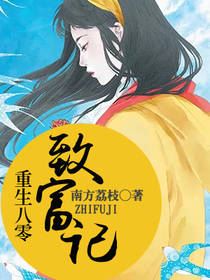
It's not as bad as some readers perceive, and I actually find it quite logical. The ending satisfies me too. If you delve into the MC's background, she's just an average noblewoman in her time, groomed from a young age to be the perfect wife, mother, aristocrat, and head of the household. She embodies the ideal of her era, being the eldest daughter. Her overpowered nature is thus understandable, given her mother's significant influence. While she may appear passive in the story, it aligns with her upbringing. It wouldn't make sense if she suddenly transformed into a bold, ruthless business tycoon from the modern era without proper preparation.
Her husband serves as another key player, functioning as both her right and left hand, occasionally taking the lead when needed. He follows her decisions and commands, being a literate soldier which justifies his loyalty and decisive actions.
This story can be seen as a rags-to-riches tale, with minimal conflict and no clear antagonist. There are annoying characters, particularly the fifth sister-in-law and her mother, whose actions stem from misguided choices and lack of education. It's amusing to watch them falter, but also frustrating. Gender roles are a reflection of the time, with many societal changes occurring during the early 1980s in China. People were adapting to new lifestyles and economic opportunities, which led to different attitudes and behaviors, both among men and women.
The MC starts with biases towards men due to her traditional upbringing, but these shift as she adjusts to the changing times. This novel might not cater to feminist readers, but it offers an engaging narrative. If you're interested in business management themes, it's a suitable choice. However, if you seek a plot-driven story, you might want to look elsewhere, as this is more of a slice-of-life tale until the MC's demise. Remember to consider the historical context and the MC's background when reading.