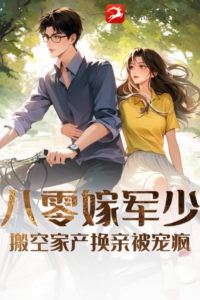
There's a lot happening beneath the surface of this section and I want to pull at a few threads. First: the bicycle. It's not just a prop— it's the vehicle (literally and figuratively) of Jiang Wan's freedom. She loads it with dried seafood, pushes it through village roads, and it carries her toward a new life. In a story about women escaping arranged marriages and patriarchal constraints, the bicycle is a symbol of self-reliance. She's not waiting to be rescued— she's building something, one jin at a time. Then there's the sea. It's always there in the background, visible from the window, surrounding the village. The sea is both provider and barrier. It gives the fishermen their livelihood, but it also isolates this community. And Jiang Wan came TO the sea, deliberately, to find a different kind of life. The pen pal letters are perhaps the most loaded symbol. A letter that was never sent, or never received, or never answered— it represents all the paths not taken, all the hopes that dissolved. Jiang Wan thought marriage to this stranger might be her escape, and when it didn't happen, she had to find another way. She found it. But the unanswered letter haunts her still, years later. And then there's the contrast between Jiang Wan's business ethics and the Liu family's dishonesty. 'Business depends on honesty' isn't just about trade— it's about how you live. The Liu family passes off rotten goods, drinks away their problems, and plots violence. Jiang Wan pays fair prices, inspects quality, and walks away with her integrity intact. The story is asking: what does it mean to be respectable in a world that rewards cruelty?