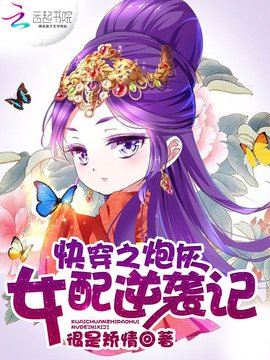
I have a structured approach to reviewing, with a clear layout, sections, and criteria. However, when it comes to this particular novel, despite its many positive aspects, I find myself unable to adhere to that system. The author seems to possess an unusual blend of strengths and weaknesses, which is quite intriguing.
The novel belongs to the Quick Transmigration genre, a common theme where the protagonist travels to various worlds, confronts challenges, and moves on. Our protagonist, Ning Shu, is initially portrayed as wise and resourceful. However, considering her character's development, it's difficult to reconcile her with the face-slapping nature of the genre, where young female protagonists often encounter adversity.
Typically, in such stories, authors create villainous opponents for the protagonist to overcome. This author does that to some extent but struggles with consistency. Ning Shu, as a protagonist, is meant to drive women to their demise, but the author occasionally fails to portray her victims as truly evil, instead making them可怜 or sympathetic. Despite this, the author still proceeds to kill them off.
To illustrate, one instance involves a rural girl who saves a defeated general, leading to a love affair. Despite being unaware of the complexities, she faces prejudice and isolation in the new world. Another example involves an aspiring actress who is forced to attend parties, leading to a tragic rape by the male lead, who then manipulates her into a relationship.
The author's justification for these events often relies on questionable logic and morality, painting the victims as villains simply because they are in the protagonist's path. While there are arcs where the villain is appropriately portrayed, the inconsistency becomes frustrating.
Despite these issues, I find the story entertaining, particularly for fans of Quick Transmigration with a focus on action and adventure rather than romance. The plot explores various themes like parenting, cultivation, warfare, and survival, which are familiar but executed better than many other translated examples.
In conclusion, while I appreciate the engaging narrative, the novel's treatment of morality and the portrayal of characters can be problematic. I would rate it three stars if the rating system were available, but the story requires readers to suspend judgment about the righteousness of those being "face-slapped," with the exception of the over-the-top male leads.