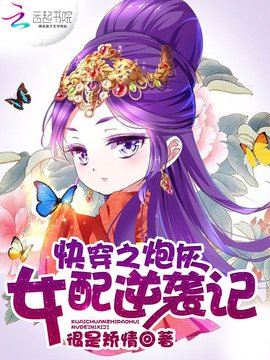
Alright, I admit defeat. I tried my best, truly. I genuinely loved this story, which is why I gave it a 5-star rating and supported it on Patreon for nearly a year. Despite skipping the initial arc, I couldn't continue any longer due to the intense frustration it causes.
Positive aspects:
- The translation is exceptional.
- Ning Shu's inner thoughts are captivating, showcasing her growth from vulnerable to strong.
Negative aspects:
- The novel seems to have a strong anti-woman sentiment. Almost every female character aside from the protagonist is portrayed negatively, often subjected to violence, including sexual abuse. The only sympathetic women are those Ning Shu possesses. Moreover, the moral stance of the story keeps shifting. In one arc, Ning Shu empathizes with the plight of the female lead, but in another, she victim-blames the FL for not reporting her abuser. This inconsistency hits close to home, considering the #MeToo movement and the reasons many victims don't report their abusers, especially when dealing with powerful individuals. Additionally, the portrayal of law enforcement as ineffective in rape cases further exacerbates the issue. Ning Shu's disgust towards the FL's love for her abuser after he killed someone she cared about feels misplaced – more like a resignation to her situation than anything else. If even her loved one couldn't escape, what's the point?
- The general arc displays casual racism, which deeply offends me as a black reader. The constant derision of the country girl, the main character's lover, based on her skin tone is unbearable. While I understand the necessity of villainous characters in this genre, Ning Shu's judgmental attitude doesn't help. Furthermore, the other characters, excluding the MC, are portrayed as one-dimensional and foolish.
- The novel tends to let male characters off the hook more than women. In the Princess arc, the prince is a despicable character, a rapist and abuser, yet the narrative focuses on his appearance and supposed kindness to Ning Shu rather than acknowledging his abusive nature. The story implies that the princess's mistreatment is her own fault if she wasn't interesting enough. Similarly, in the Death Soldier arc, Ning Shu's job is made harder due to the FL's actions, despite the prince's predatory intentions. The prince is portrayed as a comical figure, but ultimately, the FL suffers, and no significant consequences befall him. This treatment of the FL and Ning Shu's enabling behavior reminded me of Serena Joy from "The Handmaid's Tale."
In conclusion, despite the story's promising aspects, the toxic portrayal of women and the Madonna-whore complex paired with sexual violence as a punishment手段 are deal-breakers for me. I can no longer continue reading something that consistently angers and frustrates me, even if the translation and humor were enjoyable.