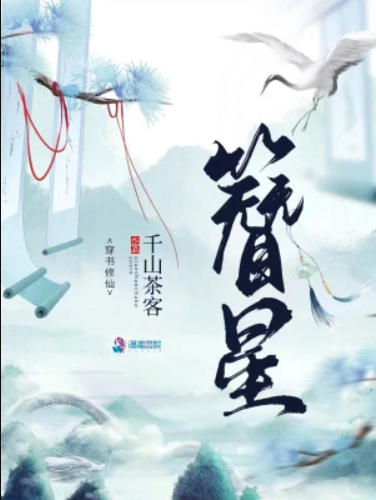
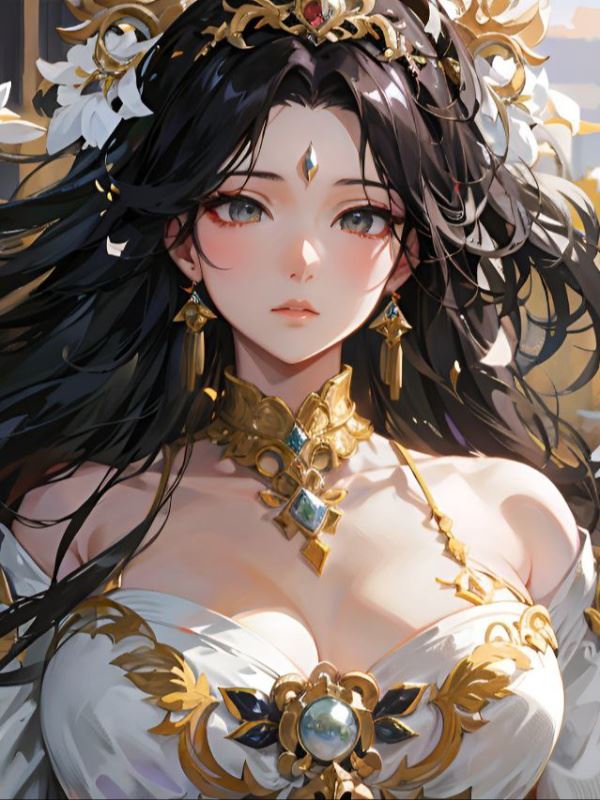
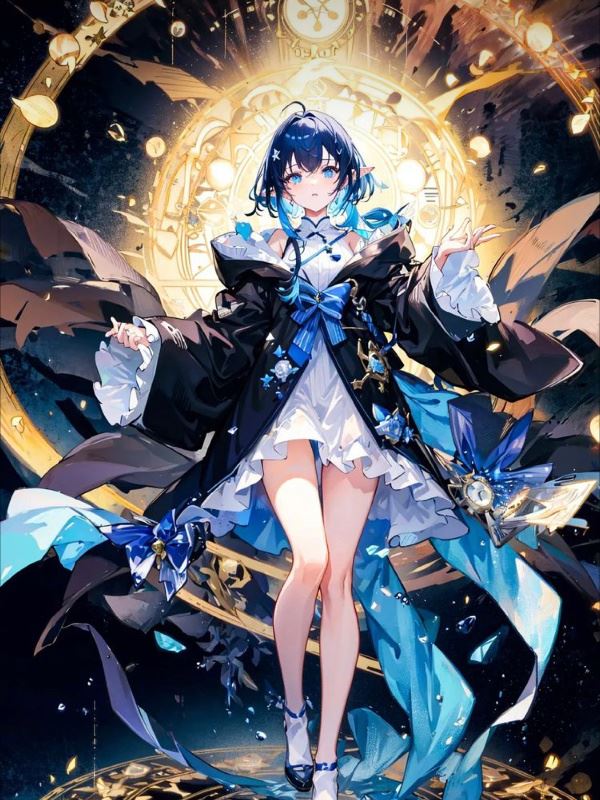
Zanxing is a contemporary girl, named Yang Zanxing, who finds herself transmigrated into a cultivation novel setting. Originally, she was a minor antagonist who antagonized the original male lead's love interest and met her end within the first seven chapters. With a basic cultivation level, she acquires a special item that belonged to the novel’s original male lead, which marked the turning point in his fortune. This acquisition significantly alters the original story, though surprisingly, the original male lead continues on a similar path. Initially, Zanxing just wants to survive and become strong enough to live independently, away from the main narrative. However, she gradually realizes that her actions are causing drastic changes in the original story, including elements, characters, and storylines that never existed before, leading her to become the female lead. This premise is intriguing.
The shift to a cultivation and martial arts-based story is a departure from the author’s previous works. I’ve read several of the author’s earlier novels, starting with *Malicious Empress*, which I thoroughly enjoyed. , *Zanxing* is a decent cultivation novel. The author typically avoids overly drawn-out stories and provides clear conclusions.
What initially drew me to this author’s work is their ability to create intrigue and captivate interest. However, as I delved deeper into more of their works, I began to notice more flaws. The most significant, in my opinion, is the shallow and often unrealistic portrayal of characters. All of the author’s main characters tend to be somewhat of a Mary Sue, leading to scenarios that feel anticlimactic and unearned. While this can be forgivable at times, it can also be jarring and detract from the story, making it difficult to remain invested due to the excessive plot armor.
In *Zanxing*, the main character is not overly overpowered, and her plot armor is relatively thin, which is a mixed blessing. One particularly annoying aspect is how the author portrays the characters’ reactions to Zanxing’s appearance. Originally, Zanxing was described as extremely beautiful and engaged to a shallow, domineering young man from the town where the original male lead lived. Her engagement was primarily due to her looks, despite her lack of impressive family background. After obtaining a special item from a monster, she sustains injuries that leave black streaks on half of her face. Despite the magical nature of the cultivation world, where healing is possible, characters constantly refer to her as “fugly” and openly express disgust. This portrayal feels exaggerated and unrealistic, as it suggests that everyone in the world, except for a few, views her as the ugliest person alive.
Realistically, the world would be divided into those who care about her scars and those who don’t, with varying degrees of reaction. Instead, the author presents a world where nearly everyone, including the new male lead and potential love interest, treats her as if she is horribly disfigured. This constant reminder of her ugliness is grating and unnecessary, especially when it doesn’t serve a clear narrative purpose.
After reading up to chapter 245, I find that the novel is not something I would recommend, as I feel the author has regressed compared to their earlier works. The female lead, Zanxing, is not a compelling main character for several reasons:
1. **Overreliance on Plot Armor**: Her successes are not due to her own efforts or strategic thinking but because she is “special.” She consistently fights above her weight class and wins mainly because of her status as the protagonist. This reliance on plot armor diminishes the satisfaction of her victories.
2. **Contradictory Behavior**: Zanxing’s actions and decisions are often inconsistent. She tries to avoid her doomed fate by cultivating strength, yet when she realizes the “novel god” is adjusting the storyline, she retreats and tries to stay out of the spotlight, even pushing her “good luck” back to the original main character. Her existence already defies the natural order, so her fear of “natural retribution” based on a mysterious mark on her hand feels contrived.
3. **Lack of Intelligence**: Zanxing often acts without thinking and fails to plan ahead. She repeatedly puts herself in dangerous situations and lacks a sense of control. Her boldness in helping others contrasts sharply with her fear of the mysterious mark, leading to a frustrating and inconsistent character arc.
Moreover, the supporting characters are equally underdeveloped. For instance, the love interest, Gu Baiying, and Zanxing’s relationship feel forced and lack organic development. Other characters, such as Mendong, Mu Cengxiao, and Hongsu, fail to add depth or interest to the story. Their actions and motivations are often shallow and clichéd, contributing to the overall lack of compelling storytelling.
In summary, while *Zanxing* has an intriguing premise, the execution falls short. The author’s regression in character development and narrative depth makes it a disappointing read, especially for fans of their earlier works.