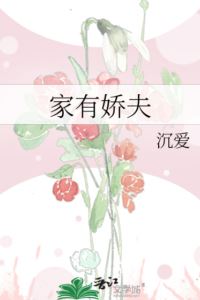
Okay, let's talk about the strawberries because I am convinced they are the central symbol of this entire novel and I need everyone to understand what I mean.
Strawberries appear in almost every scene. Wen Lan eats them. Wen Wu loves them. Lu Zhixing notices that both of them share this preference. The bowl of strawberries becomes a bridge — first between Wen Lan and Wen Wu (Wen Lan leaves them on the bedside table without her daughter even knowing), then between Lu Zhixing and Wen Wu (they share them together, and he says 'Of course' when she asks if Mommy knows she likes strawberries). By the end of these chapters, strawberries have become this quiet language of love between three people who are still learning how to speak to each other.
And the roses — the mist roses in the garden, the pale pink blossoms on the balcony. They're described as beautiful but distant, belonging to someone 'who didn't belong to this world.' That's Wen Lan. The roses are her: gorgeous, fragrant, but untouchable. Until they're not.
Then there's the birthmark. "The crimson birthmark on the side of his face resembled dried blood against his pale skin." It appears whenever Lu Zhixing's composure cracks, whenever his emotions run too close to the surface. It's like his body betrays what his face refuses to show. And later: "The birthmark beside his right ear appeared even more vivid, an unsettling crimson, like fresh blood slowly dripping from the edge of a cold blade." The imagery shifts from dried to fresh — his pain is not old news, it's alive and bleeding.
The whole novel seems to be about this question: what does it mean to truly see someone? Wen Lan is finally seeing — seeing her husband, seeing her daughter, seeing the world again. And Lu Zhixing has been seeing her this entire time, collecting strands of her hair like sacred relics, memorizing her preferences, testing her with questions about dinner just to hear her voice. The theme isn't romance. It's recognition. It's the terrifying, beautiful act of being seen and seeing in return.