Summary

... Read More

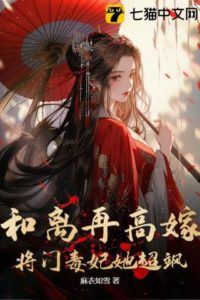
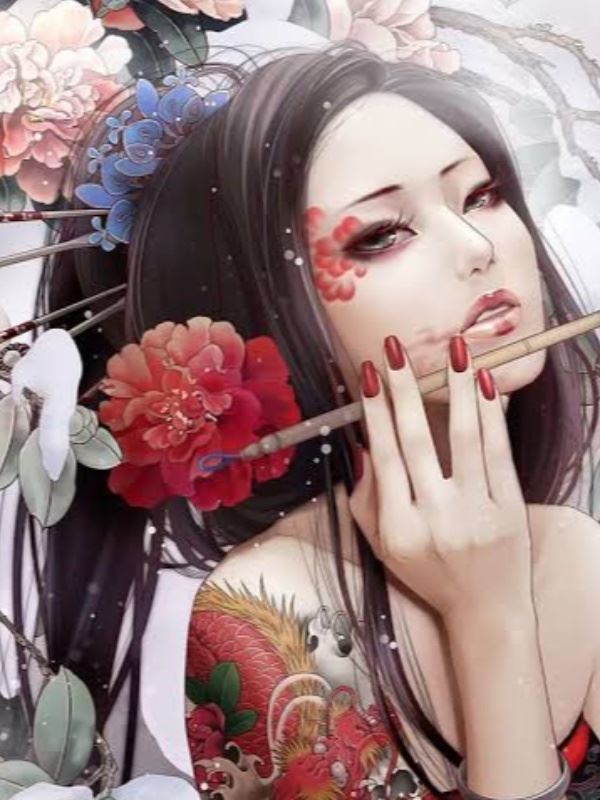
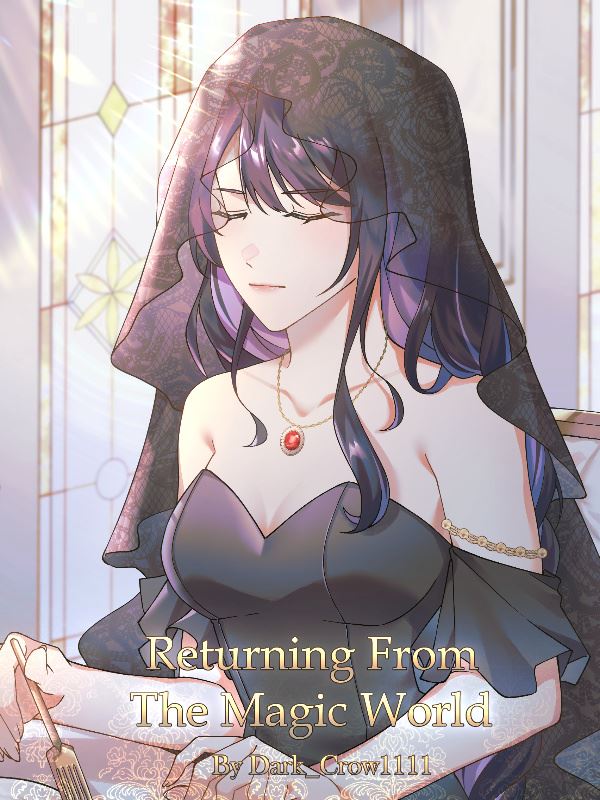
Cui Anru was originally a noble daughter of a military lineage and a disciple of the Medical Immortal. She strictly followed her parents’ instructions to be cautious and keep a low profile. Yet, three years of marrying below her status only resulted in the tragic deaths of her father and brother, and a decree for an equal wife.

Her husband, who had departed for the battlefield on their wedding night, returned with a pregnant childhood sweetheart and immediately made shameless remarks—

“Zhiyin’s medical skills are superb; how can a cloistered woman like you compare to her!”

“Zhiyin sacrificed herself to save me, I must marry her!”

Cui Anru sneered; she was done pretending.

She divorced him and took back her dowry, slapped the faces of the scumbag’s family, cared for her widowed sister-in-law and young nephew, and revitalized the Zhenguogong Mansion! With her Divine Healing Hand, she saved countless lives. Those who had wronged her were filled with regret, but it was all in vain.

Unexpectedly, she even cured the hidden ailment of a certain sickly Prince!

Before Cui Anru could flee, she was pulled into his embrace. “The doctor has a miracle touch; this Prince can only repay you by offering myself in marriage…”

With a hundred miles of red makeup and the kingdom as a betrothal gift, Cui Anru was stunned.

She really hadn’t planned on marrying up again!

Novel Items

More
Document
An imperial decree declaring the execution of the Imperial Concubine, issued alongside the guards dragging away Shi Ronglan. It was part of Emperor Zhaoyuan's punishment order.
Pills
A pill carried by Ruogu in a porcelain bottle. It can protect the heart meridian and was used by Cui Anru to temporarily save the unconscious woman coughing blood on the street.
Item
Cui Anru's dowry that the Xiao family has been spending for the past two years to fund their extravagant lifestyle, including expensive medicinal herbs, clothing, jewelry, and hair ornaments. If the divorce proceeds, the Xiao family would need to return it.
Event
Cui Anru detects through Lin Zhiyin's pulse that she is one month pregnant. The child was conceived while escorting the remains of Cui Anru's father and brother back to the capital, revealing the affair took place during a time of mourning.
Event
The military battle where Xiao Rang fought bravely, crushed enemy forces, and relieved the southern border crisis. It earned him the merit that he later used to petition for Lin Zhiyin's status as Equal Wife.
Pills
A priceless pill prepared by the Medical Immortal that can neutralize any poison. Cui Anru offers it to Lu Jingchen (Prince Yi) as part of a trade to have him look after a mother and daughter. Lu Jingchen accepts it and confirms he feels fine afterward.
Latest Release
DateGroupRelease
2026-08-11shanghai fantasy c10
2026-08-11shanghai fantasy c9
2026-08-11shanghai fantasy c8
2026-08-11shanghai fantasy c7
2026-08-11shanghai fantasy c6
2026-08-11shanghai fantasy c5
2026-08-11shanghai fantasy c4
2026-08-11shanghai fantasy c3
2026-08-11shanghai fantasy c2
2026-08-11shanghai fantasy c1

Community Reviews

Rating(0 / 5.0, 6votes)
5 stars
0(0%)
4 stars
0(0%)
3 stars
0(0%)
2 stars
0(0%)
1 stars
0(0%)

Popular reviews

... Read More
I need to talk about the pregnancy pulse scene because it's the emotional climax of Chapter 1 and I am NOT okay. Cui Anru is standing there, processing the worst news of her life—her husband used his military merit to bring a mistress into their home, the imperial decree has already been issued, her entire family is dead—and then Lin Zhiyin tries to KNEEL before her. 'Sister, a thousand wrongs, ten thousand wrongs—it is all my fault.' The performance! The manipulation! And Cui Anru reaches out to grab her hand, pretending to help her up, and presses her fingers against Lin Zhiyin's pulse point. 'A Pregnancy Pulse, just a month old.' This child was conceived while they were escorting the bodies of her father and brother back! The text says 'In an instant, Cui Anru violently threw off Lin Zhiyin's hand!' I need a moment. This is the moment where Cui Anru's grief transforms into something else entirely. It's not just betrayal anymore—it's desecration. Her father and brother died in battle, their bodies are being brought home, and her husband and this woman were busy making a baby on the journey. The sheer, unadulterated disgust on Cui Anru's face when she says 'This kneel of yours, I cannot afford to accept!'—it's not just about pride. It's about the sacredness of her family's deaths being violated. And then there's the street scene with the abandoned woman and child. 'My father and grandmother abandoned us and drove us out... He is a soldier who just returned victorious from battle. He said he had earned merit and wanted to marry his childhood sweetheart.' Cui Anru feels 'a wave of irony.' Who said she was the only unfortunate one in this world? This parallel is so carefully constructed. The author is showing us that Cui Anru's pain is not unique—it's a pattern, a system, and she's about to fight it. The emotional journey from the first chapter is: shock → grief → clarity → resolve. By the end of Chapter 1, Cui Anru has gone from a woman in white mourning clothes, stunned and silent, to a woman who leads her maids to the palace with 'her aura so overwhelming that the members of the Xiao family were actually suppressed by it.' That transformation is everything.
... Read More
The stakes in this novel are set impossibly high from the very first paragraph and they only escalate. Let me walk through what's at risk here because it's not just a marriage dispute—this is a woman fighting for her life, her family's honor, and her future against an entire system designed to crush her. On the personal level: Cui Anru has lost her father, her brother, and her husband—all in the span of days. Her family is dead. Her marriage is being dismantled by imperial decree. The woman who slept with her husband is pregnant with his child. She has no allies within the Xiao family. The Old Madame, Lady Yang, Xiao Xueling—all of them are aligned against her. Even the servants are watching to see what will happen. Her only allies are her two maids, Danqing and Danzhu, and possibly this mysterious man from the other carriage whose name we haven't even learned yet. But the stakes go beyond the personal. When Cui Anru says 'I will uphold the honor of Zhenguogong Mansion,' she's talking about her family's name, their legacy, their sacrifice. If she accepts the Equal Wife arrangement silently, she's not just accepting humiliation—she's validating the idea that her father and brother died for nothing, that their military service can be erased by a man who cheated on his wife. The political stakes are even higher. She's going to the palace to petition the Emperor directly. This is dangerous. An imperial decree is the Emperor's word—challenging it is treason-adjacent at best. Cui Anru knows this: 'We may not have justice on our side, but we have guilt.' She's betting that the Emperor's political calculations will favor her over the Xiao family. But what if she's wrong? What if the Emperor decides the Xiao family's military loyalty is more valuable than one woman's grievance? The suspense is maintained masterfully. The author doesn't give us easy answers. Every time Cui Anru gains ground—exposing the dowry theft, revealing the pregnancy, winning public sympathy—there's a new complication. The mysterious man in the other carriage. The Emperor's pending decision. The Xiao family's response. And that ending line from the Old Madame—'I'd like to see if she dares!'—that's not just a threat; it's a challenge that sets up the next major conflict. What makes the stakes feel real is that Cui Anru has nothing left to lose and everything to fight for. She's an orphan with a dead family's reputation on her shoulders, facing a husband who has the Emperor's backing, a mother-in-law who wants her gone, and a society that expects her to be magnanimous about her own betrayal. The fact that she's still standing, still speaking, still moving toward the palace—'her aura so overwhelming that the members of the Xiao family were actually suppressed by it'—that's the kind of tension that makes you unable to put the book down.
... Read More
I've been thinking about the symbolism in this opening and there are so many layers I want to unpack. Let me start with the most obvious one: Cui Anru's white mourning clothes. The text specifically notes she was 'dressed in plain white mourning clothes' and 'looked starkly out of place among the brilliantly dressed women of the Xiao family.' This isn't just visual contrast—it's thematic. While the Xiao family is celebrating Xiao Rang's promotion and the imperial decree, Cui Anru is still in mourning for her father and brother. The white represents her grief, her loyalty to her blood family, and her refusal to participate in the family's celebration of the man who betrayed her. The 'brilliantly dressed' women represent everything she's being asked to accept: complicity, celebration of hollow merit, and the erasure of her dead family's sacrifice. Then there's the concept of 'military merit' (军功) itself. Xiao Rang 'used his military merit to request an Equal Wife.' The Emperor grants this as a 'precedent for this dynasty.' But the text also reveals that this same military merit could have 'earned a noble title for his wife.' So the merit is being redirected—from honoring Cui Anru's family's sacrifice to elevating Lin Zhiyin's status. It's a theft of recognition. The father and brother died for the empire, their merit should have elevated their family, but instead it's being used to bring a mistress into the home. The pregnancy pulse is also symbolic. The child is conceived 'on the way back' with the coffins of Cui Anru's father and brother. Life and death occupying the same space. The new life growing in Lin Zhiyin's womb is built on the foundation of Cui Anru's family's deaths. It's almost mythological in its cruelty. And the street scene—the abandoned woman and child, the man who 'earned merit and wanted to marry his childhood sweetheart'—this is the theme on a societal level. The system that rewards military merit also enables the destruction of families. Cui Anru isn't just fighting one bad husband; she's fighting a structure that treats women as expendable. The dowry is another symbol. 'For the past two years, the Xiao family had been spending Cui Anru's money.' Her wealth, her family's wealth, has been sustaining the very people who are now discarding her. When she cuts off the financial support, she's not just being practical—she's reclaiming the material foundation of her independence. I keep thinking about that line: 'We may not have justice on our side, but we have guilt.' The Emperor's guilt. The state's guilt. The system's guilt. Cui Anru understands that justice is not the same as leverage, and she's about to weaponize the latter.
... Read More
I'm going to be honest with you—the dialogue in this novel is genuinely good. Like, actually good. Not the kind of dialogue where everyone sounds like the same person in different costumes. Each character has a distinct voice and I can tell who's speaking without looking at the name tags. Let me start with Cui Anru because she's the protagonist and her voice is the most important. Her dialogue is sharp, direct, and increasingly layered. Early on she's restrained—'So, Mother-in-law is only worried that I might feel wronged?'—but by the time she's addressing the crowd on the street, she's commanding: 'From today onward, the expensive medicinal herbs supplied to Old Madam from the city's pharmacies, the clothing and accessories from the silk shops and tailor shops for her selection, and all the jewelry and hair ornaments for Xiao Xueling—I will no longer use my dowry to subsidize them.' That's not just dialogue; that's a financial declaration of war. And the way she delivers it—calmly, publicly, in front of witnesses—is perfect. Xiao Rang's voice is equally distinctive. He speaks in commands and justifications. 'As the Mistress of the house, you should have the magnanimity to tolerate others!' This is the voice of a man who has never had to consider anyone's perspective but his own. He genuinely believes he's the victim here. 'How dare you slander her so!'—he's the one who cheated, but he's the one demanding magnanimity. The cognitive dissonance in his dialogue is almost comedic if it weren't so infuriating. Lin Zhiyin's voice is performative softness. 'Sister, please forgive me for calling you that.' 'Sister, a thousand wrongs, ten thousand wrongs—it is all my fault.' Every sentence is designed to make her look virtuous while accusing Cui Anru of being cruel. But the author gives us a moment of真实性—when Lin Zhiyin 'gritted her teeth' after the Old Madame's gaze toward her becomes 'less than friendly.' That's the mask slipping. The Old Madame's voice is cold authority: 'The matter is settled.' 'I'd like to see if she dares!' Short, declarative sentences. She doesn't negotiate; she pronounces. And Lady Yang? She's the voice of weak complicity—'it's all because Xiao Rang is so thoughtless'—which is immediately dismantled by Cui Anru's counter-question. The narrative voice itself is also worth noting. It's close third person, mostly anchored to Cui Anru's perspective, but it has moments of sharp observation: 'The war and desert sands had made Xiao Rang's face more heroic and his physique more robust. Wrapped in armor, he seemed to radiate a sense of security, but he was no longer the man who had trained himself years ago just to protect her.' That's not just description; that's emotional commentary woven into the narration.
... Read More
Let me just say this right now: Cui Anru is one of the most satisfying protagonists I've encountered in a long time. The moment she says 'Why don't I just vacate the position for her? How about we divorce?'—I literally gasped. Most heroines in these kinds of stories would either cry or beg, but she immediately goes for the nuclear option. She's not asking for mercy; she's offering them an escape from having to support a dead woman's family. The relationship dynamics in this opening are fascinating. Take the Old Madame and Lady Yang. Lady Yang at least pretends to care—'it's all because Xiao Rang is so thoughtless'—but Cui Anru's counter-question exposes her: 'You yourself are actually very happy to accept the Lin girl?' That moment of silence is everything. Lady Yang doesn't deny it. She's complicit. And Xiao Rang—ugh. 'As the Mistress of the house, you should have the magnanimity to tolerate others!' This man has the audacity to lecture his wife about tolerance after he literally cheated on her with another woman while escorting her dead father and brother's coffins back to the capital. The text says 'her heartstrings she had kept tightly wound during these past days snapped with a sharp crack.' That's not just sadness—that's the moment she stops loving him and starts seeing him clearly. Lin Zhiyin is also interesting. She's not a cartoon villain. She genuinely believes her own narrative—'I never thought about taking Brother Xiao away from you. It's just that while I was practicing medicine at the border, I accidentally had skin-to-skin contact with him.' The word 'accidentally' is doing so much work there. She's performed enough of this 'innocent' act that she might even believe it herself. But then Cui Anru checks her pulse and finds the pregnancy pulse, and Lin Zhiyin's whole performance falls apart. 'This kneel of yours, I cannot afford to accept!'—that line is iconic. Xiao Xueling's line about Cui Anru being 'a talentless hack who forced her way into our Xiao family by relying on her family background' is the kind of dialogue that makes you want to shake the book. This woman has no shame. And yet—the dowry subplot reveals the truth: the Xiao family has been living off Cui Anru's money for two years. They needed her wealth more than she needed them.
... Read More
Okay, I need to talk about this opening because WOW. The author just drops the reader into a scene where an imperial decree is being read and within minutes everything explodes. Let me just say: the pacing here is absolutely ruthless and I love it. You've got the decree announcing Xiao Rang's promotion, then the plot twist that he used his military merit to request an Equal Wife, then Cui Anru discovering Lin Zhiyin is pregnant—all of this happens before I even finished Chapter 1. That's not just efficient storytelling, that's aggressive storytelling. What really stands out to me is how the plot uses the imperial decree itself as a narrative device. It's not just exposition—it's the inciting incident that forces every character to reveal their true colors. The Old Madame's line, 'I'd like to see if she dares!' when Cui Anru announces her divorce, tells you everything about where the family stands. And then Cui Anru's response—walking out and going straight to the palace—is such a bold plot move. She's not going to fight them in their own house; she's going to take it to the highest authority possible. The subplot of the woman coughing up blood on the street is interesting too. It mirrors Cui Anru's own situation in a way—the abandoned wife and child, the man who earned merit and chose someone else. 'He said he had earned merit and wanted to marry his childhood sweetheart.' That little detail from the street scene is basically a microcosm of the entire plot. It's like the universe is showing Cui Anru she's not the only one suffering from male betrayal. But here's what I'm wondering: the Emperor hasn't shown his hand yet. Cui Anru herself says 'We may not have justice on our side, but we have guilt.' Guilt—meaning the Emperor will feel politically obligated. That's a smart protagonist who understands power dynamics. But what does the Emperor actually want? And what role will that mysterious man from the other carriage play? I need to know what happens next.
See all reviews

Characters

See all characters

Custom lists

Oops…There is nothing here.